Audio Recordings and Podcasts
In our media class, we learned about creating audio recordings that could be used for podcasts. In this case, we chose a word for our #onewordONT, created by Julie Balen, to guide our 2019 year. Here is the link to my audio recording; I chose the word GRIT. Grit means having resilience, perseverance, and passion when faced with challenging times. During school, I need to remember to have grit because it can get tough, and having that perseverance to keep on going is so important. If you want to learn more about grit, take a look at the awesome sketchnote below.
Introducing Voice and Audio Recording in the Classroom
The idea of choosing a word to guide one’s year is a great idea for everyone, and I think students would enjoy doing this as well. I would love to introduce the one word challenge to my students. It gives students the opportunity to reflect upon their lives. Asking students grades 3 and up, can help students to set goals for their year. I think students would also enjoy recording their voices and having them posted on a class blog or site that the school allows. Reading Jae Yi’s blog is what gave me the idea of doing audio recordings in the classroom. He talks about the kindergarten students using audio recordings in different subjects like reading. I thought this was really interesting because it’s a different way for students to participate in learning, and a great way to integrate media. I was amazed that students in kindergarten were audio recording!
The students during my placement were writing a persuasive writing piece about something that they want from their parents. When I walked around the room the students were all silent in the class writing their final copies. I think introducing voice recording would be a fun way for students to hand in the final product. It’s both interacting and engaging. Students could audio record each other in the halls and then share it with the class. It offers students alternative ways to complete tasks. Some learners may be stronger in verbally speaking to convey their ideas than compared to writing them down on paper. Educators have the ability to connect audio recording to the curriculum by using it in different subjects. Audio recording has a place in all subjects.
I found this great article by Marissa King from Edutopia that explains some of the benefits to incorporating audio recordings into your classrooms. I want to talk about a few of the pros that she discusses. She talks about giving students the option to voice record during brainstorming because students who maybe struggle with writing and getting all of their ideas out quickly, can record, making their brainstorming more natural and quick. Another way we can encourage students to use audio recording is when they are revising their work. We often hear that we should read our work out loud to make sure it sounds right, because that makes a difference when you read something in your head versus saying it. If students recorded their work they would be able to hear it play back, and this would greatly help students to catch errors in their work and revise them. Additionally, students working in groups for projects, can rehearse their parts using audio recordings to then hear back their voices to make any changes needed.
I think introducing audio recordings would increase students’ engagement because it’s new, exciting, but also beneficial to students’ learning. If educators find that their students are really enjoying audio recording, they could look into starting a class podcast. Thinking back to myself as a young student, I was shy and didn’t feel comfortable participating. There are students who feel similar who I think would benefit from having the option to audio record their voice for projects. This gives students a chance to make their voice heard and feel a part of the class.
Safety & Privacy
While researching, I came across some blogs where educators had pictures that featured students audio and video recording in their classroom. I think it would be difficult to get the consent of all parents to agree to have their child’s voice and picture uploaded on the internet. That to me would be a safety and privacy concern. If the school has particular websites that are private and safe to upload students work on, then that would be different and more appropriate.
Below is a video about GRIT that I was shown in a third year education class. This video is what introduced me to grit.
Have you used voice/audio recordings in your classrooms? What are some ways you’ve used them? I’d love to know!
References
Florida Virtual School. (2013, August 14). Grit: The Key to Your Success at FLVS [Video file]. Retrieved from https://www.youtube.com/watch?v=uwsZZ2rprqc
Sprouts. (2017, March 31). GRIT: Character Traits that Matter for School, Work and Life [Video File]. Retrieved from https://www.youtube.com/watch?v=vzle_Puyg5o
King, M. (2016, July 15). 4 Ways Audio Recording Can Boost Classroom Learning. https://www.edutopia.org/discussion/4-ways-audio-recording-can-boost-classroom-learning
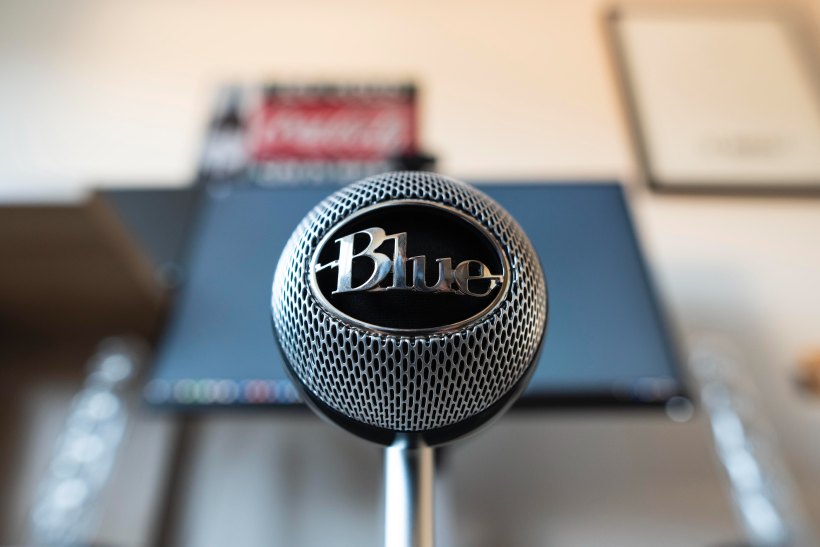
Photo by Jeroen den Otter on Unsplash
 Ms. Cerullo's Teaching Tales